
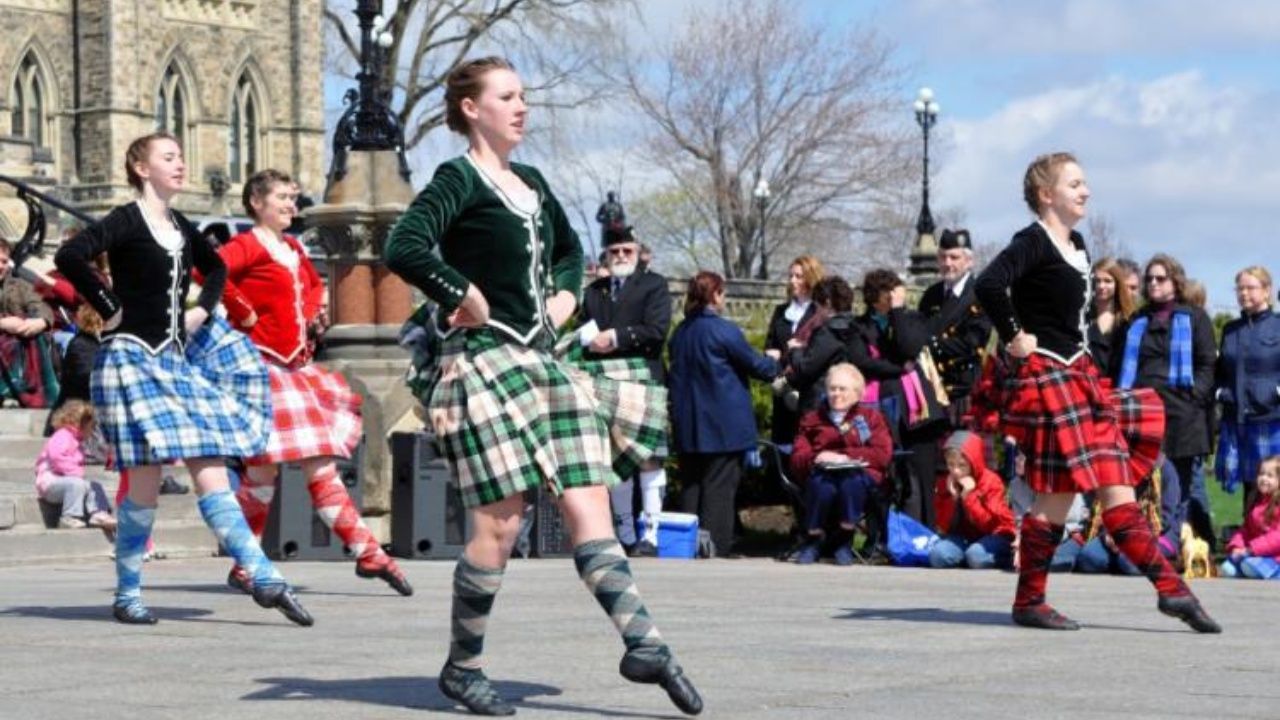
If there is one day when wearing a kilt feels completely natural, it is Tartan Day. The short answer is simple: Tartan Day exists to celebrate Scottish identity, and nothing represents that identity more clearly than the kilt. But the real answer runs deeper. It is about history, symbolism, and the way clothing carries meaning across generations.
When people step into a kilt on Tartan Day, they are not just choosing an outfit. They are stepping into a tradition that connects clans, migration, resilience, and cultural pride. Whether you are walking in a parade or attending a local gathering, the kilt becomes a visible expression of belonging.
This is why understanding the role of the kilt matters. Once you know where it comes from and what it represents, choosing and wearing one becomes far more intentional.
From Highland Garment to Cultural Symbol
The kilt did not begin as ceremonial dress. It started as practical clothing in the Scottish Highlands, designed for movement, weather resistance, and everyday life. Early forms of the kilt were larger, wrapped garments that could be adjusted depending on the terrain and climate.
Over time, as Highland culture evolved, the kilt became more structured. By the eighteenth century, it had taken on the pleated form we recognize today. It also began to represent clan identity through tartan patterns.
However, history was not always kind to Highland dress. After the Jacobite uprisings, traditional clothing, including kilts, was restricted for a time. When those restrictions were lifted, the kilt returned not just as clothing, but as a powerful symbol of Scottish identity and resilience.
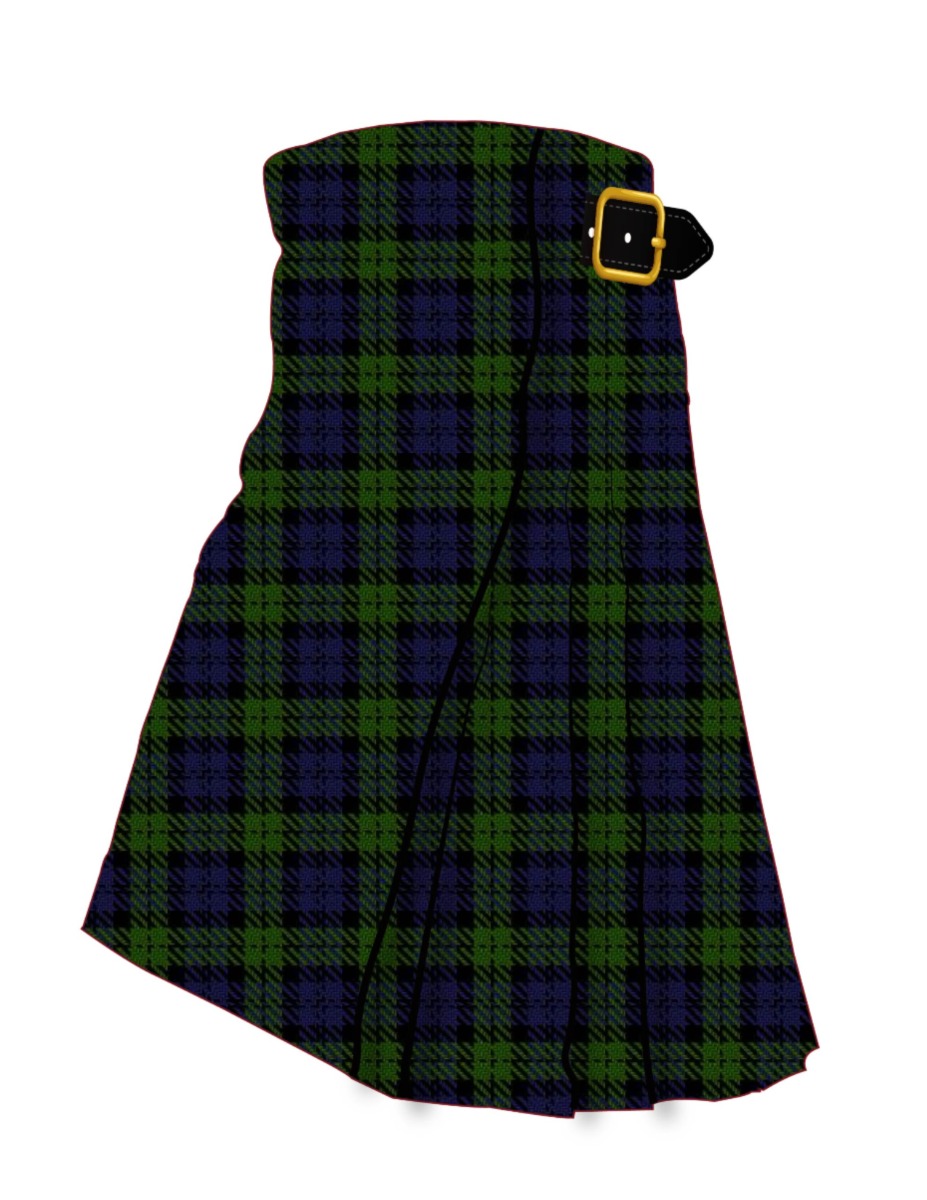
Today, wearing a tartan kilt such as the Black Watch (Smallest Sett) Tartan Kilt reflects that journey from practicality to cultural significance.
Tartan Day and the Celebration of Identity
Why the Kilt Becomes Essential
Tartan Day is not just about Scotland itself. It recognizes the global Scottish diaspora, the millions of people around the world who carry Scottish heritage through ancestry, tradition, or cultural connection.
The tartan represents lineage, region, and family. The kilt brings that tartan to life.
This is why kilts are so central to Tartan Day. They make identity visible. Instead of being abstract, heritage becomes something you can wear, see, and share with others.
For some, this means wearing a clan tartan. For others, it means choosing a universal design that still respects tradition. A versatile piece like the Black Watch tartan kilt allows anyone to participate while maintaining authenticity.
Choosing the Right Kilt for Tartan Day
Tradition Meets Practicality
Not every Tartan Day celebration looks the same. Some are formal parades, while others are relaxed cultural events. The kilt you choose should reflect that.
Traditional tartan kilts
If you are attending a formal gathering, nothing replaces a classic tartan kilt. These kilts carry the strongest historical connection and are best suited for events where heritage is the focus.
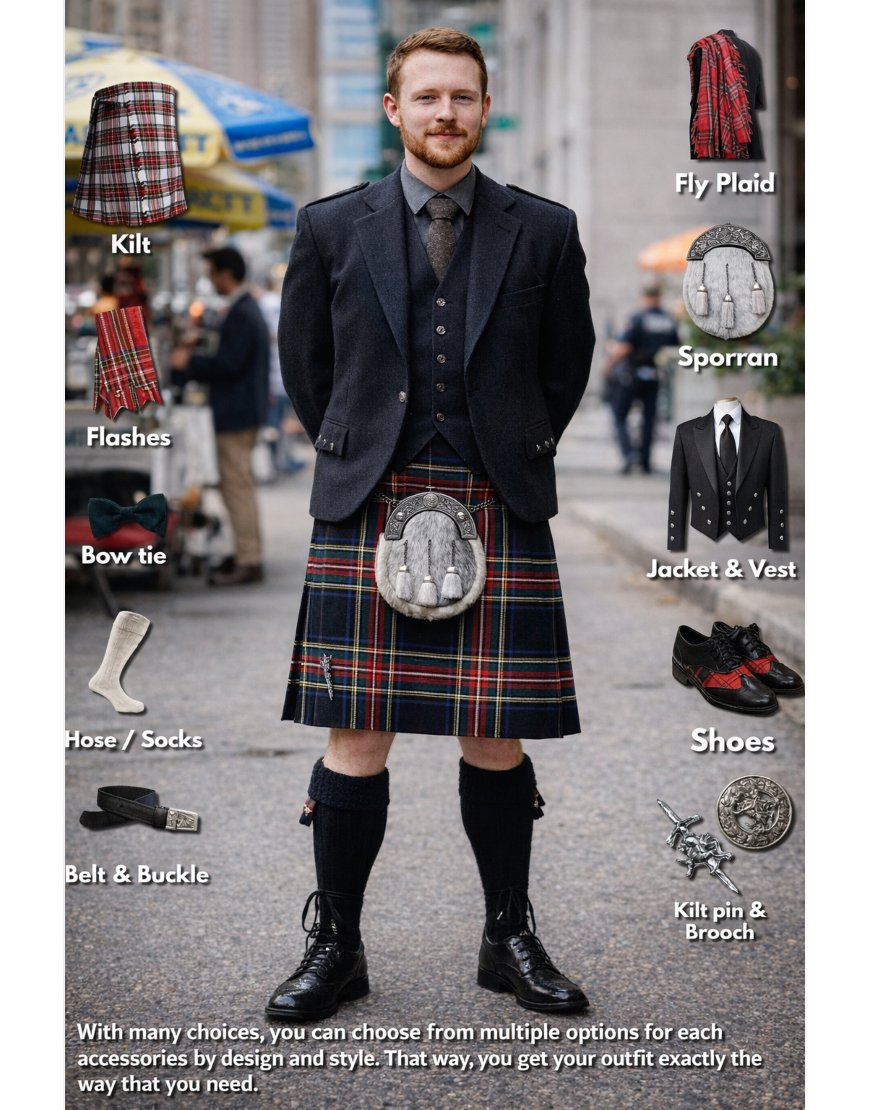
Paired with a structured outfit like the Black Argyll Men Scottish Kilt Outfit, the look becomes refined, balanced, and deeply rooted in Highland tradition.
Modern and utility kilts
For more relaxed celebrations, modern kilts offer flexibility. Utility styles allow for movement, storage, and comfort throughout the day.
Options like the Urban Camo Tactical Utility Kilt bring a contemporary edge while still maintaining the core kilt structure. These are especially useful if your day involves walking, socializing, or attending multiple events.
Dressing the Kilt Properly
Dressing the Kilt Properly
The kilt may be the centerpiece, but the rest of the outfit determines how complete it feels.
Upper wear
For casual celebrations, a simple shirt or knit is enough. The goal is to let the tartan remain the focus.
For more structured events, adding a jacket changes the entire tone. A piece like the Black Watch tartan blazer keeps the outfit cohesive without making it overly formal.
If you want a more traditional finish, a full outfit package such as the Light Grey Argyll Jacket Kilt Outfit Package provides balance between modern comfort and heritage styling.
Footwear and accessories
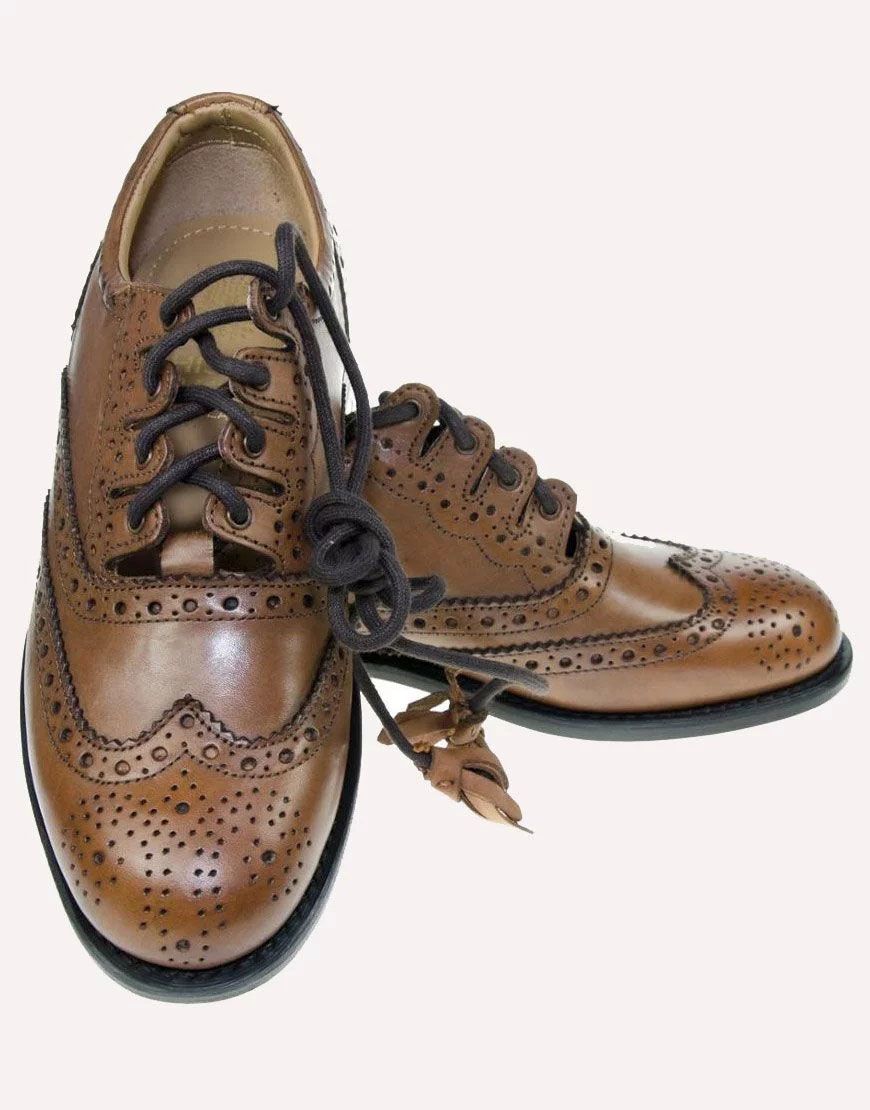
Footwear should match both the setting and the level of formality. For Tartan Day, brogues are often the safest choice because they align with traditional Highland dress while remaining practical.
A pair like the Brown Leather Ghillie Brogues Shoes works across both casual and semi-formal settings.
Accessories should stay controlled. A sporran is essential, both for function and appearance. Instead of treating it as decoration, think of it as part of the outfit’s structure. You can explore suitable options through the Scottish sporrans collection, depending on how formal your look needs to be.

 Original Long Horse Hair Sporran White Body Two Black Tassels with Chain BeltSpecial Price $149.00 Regular Price $300.00


A simple belt such as the Black Plain Leather Kilt Belt With Buckle completes the outfit without drawing unnecessary attention.
The Deeper Meaning Behind Wearing a Kilt
Wearing a kilt on Tartan Day is not about appearance alone. It reflects a deeper connection to history and identity.
The kilt represents:
- A link to Scottish ancestry
- A symbol of resilience and cultural survival
- A shared identity across generations and borders
Even for those without direct Scottish roots, the kilt offers a way to participate in a tradition that values craftsmanship, storytelling, and cultural pride.
That is why it continues to hold relevance today. It is not frozen in the past. It evolves with the people who wear it.
Keeping the Look Authentic
The biggest mistake people make on Tartan Day is overcomplicating the outfit.
Too many accessories, mismatched styles, or poorly fitted kilts can take away from the authenticity. The kilt should sit properly at the waist and fall around the middle of the knee. Everything else should support it, not compete with it.
Keeping the outfit clean and intentional always creates a stronger impression than trying to do too much.
Final Thoughts
Tartan Day is about more than celebration. It is about recognition; of history, of identity, and of the cultural threads that connect people across time and place.
The kilt sits at the center of that recognition. It transforms heritage into something visible, something shared, and something worn with pride.
Whether you choose a classic tartan, a modern variation, or a full Highland outfit, what matters most is how it feels when you wear it.
Because on Tartan Day, the kilt is not just tradition. It is identity made visible.